

Introduction
Learning how to handle money is one of the most important life skills, yet many people are never taught the basics. That is why money management tips for beginners are essential for anyone starting their financial journey. Whether you are a student, a new employee, or someone trying to gain control over spending, good money habits can change your life.
Many beginners feel overwhelmed by bills, daily expenses, and saving goals. Without a plan, money often disappears without explanation. The problem is not always low income, but poor money decisions and lack of structure. This is where simple money management tips for beginners can help create clarity and confidence.
Managing money does not mean giving up everything you enjoy. Instead, it means making smarter choices so your money works for you, not against you. When you understand budgeting basics, saving money becomes easier and less stressful. Over time, these habits lead to financial freedom and peace of mind.
This guide is written in simple English for beginners and intermediate readers. It focuses on practical steps that can be applied immediately. You do not need special tools or financial knowledge. By following these money management tips for beginners, you can build a strong foundation for long-term success and avoid common financial mistakes early in life.
What is Money Management Tips for Beginners?
Money management tips for beginners are basic financial practices that help people control income, expenses, savings, and spending habits. These tips focus on understanding where money comes from and where it goes each month.
For beginners, money management means learning budgeting basics, setting priorities, and avoiding unnecessary debt. It also includes developing healthy saving habits and planning for future needs.
The goal is simple. Spend less than you earn, save regularly, and make informed financial decisions. These tips form the foundation of personal finance basics and long-term stability.
Why is Money Management Tips for Beginners Important?
Money mistakes made early can follow you for years. Poor spending habits, unmanaged debt, and no savings can create constant stress. That is why money management tips for beginners are so important.
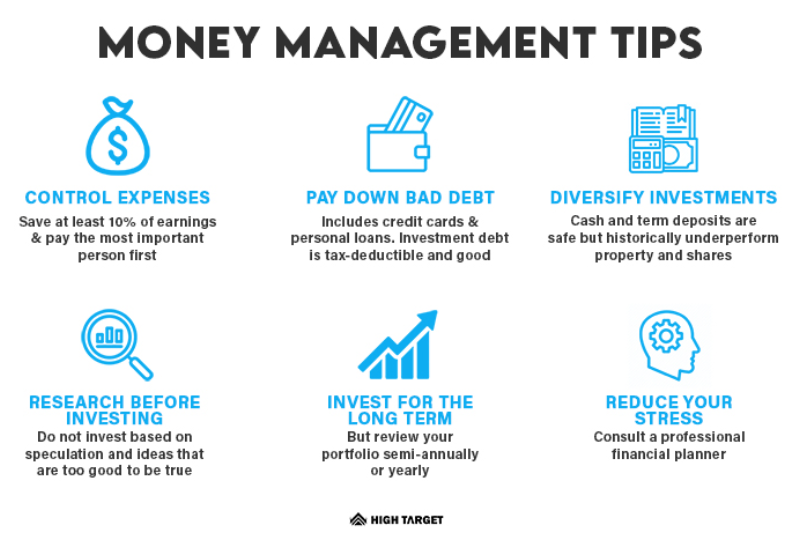
Good money habits help you stay prepared for emergencies. They also reduce anxiety and improve decision-making. When you manage money well, you gain control over your life choices.
Learning early allows beginners to avoid financial traps and build confidence. Over time, these skills grow into strong personal finance basics that support a secure future.
Detailed Step-by-Step Guide
Step 1: Understand Your Income
Start by knowing exactly how much money you earn monthly.
Include salary, freelance work, or any side income. This is the base of all budgeting basics.
Step 2: Track Your Expenses
Write down every expense, even small ones.
This helps identify spending patterns and areas to cut costs.
Step 3: Create a Simple Budget
Divide income into needs, savings, and wants.
A basic budget keeps spending under control and supports saving money.
Step 4: Set Clear Financial Goals
Define short-term and long-term goals.
Examples include saving for emergencies or paying off debt.
Step 5: Build an Emergency Fund
Save a small amount each month for unexpected expenses.
This prevents reliance on loans or credit cards.
Step 6: Avoid Unnecessary Debt
Use credit carefully and pay balances on time.
Debt control is a key part of money management tips for beginners.
Step 7: Start Saving Consistently
Saving money regularly builds discipline.
Even small amounts add up over time.
Benefits of Money Management Tips for Beginners
- Better control over spending
- Reduced financial stress
- Strong saving money habits
- Improved budgeting basics
- Less debt and fewer money mistakes
- Confidence in personal finance basics
Disadvantages / Risks
- Requires self-discipline
- Progress may feel slow
- Limited income can restrict savings
- Poor planning can cause frustration
Common Mistakes to Avoid
Many beginners ignore tracking expenses. Others create unrealistic budgets they cannot follow.
Avoid impulse buying and relying on credit for daily spending. Do not skip savings, even when income is low. Consistency matters more than amount.
FAQs
What are the best money management tips for beginners?
The best tips include budgeting, tracking expenses, saving regularly, and avoiding debt.
How much should beginners save each month?
Saving 10 percent of income is a good starting point if possible.
Is budgeting necessary for beginners?
Yes, budgeting basics help control spending and plan savings.
Should beginners use credit cards?
Credit cards should be used carefully and paid in full each month.
How long does it take to see results?
Small improvements can be seen within a few months of consistency.
Can beginners invest early?
Yes, starting small and learning gradually is beneficial.
Expert Tips & Bonus Points
Automate savings to stay consistent. Review your budget monthly and adjust as needed.
Use cash for daily expenses to avoid overspending. Focus on habits, not perfection.
Learning money management tips for beginners early builds lifelong financial confidence.
Conclusion
Managing money is not about being perfect. It is about being aware, consistent, and patient. By following money management tips for beginners, anyone can build a healthier financial life. These tips provide structure and direction, especially for those just starting out.
When you understand your income, track expenses, and follow budgeting basics, money becomes easier to manage. Saving money regularly, even in small amounts, creates security and confidence. Over time, these habits grow stronger and more effective.